


Moving to Canada as a permanent resident (PR) offers long-term stability, access to social benefits, and the freedom to live, work, or study anywhere in the country. However, the transition also comes with practical challenges that many newcomers only discover after arrival.
Drawing from firsthand experience, these five essential tips highlight key realities every prospective immigrant should understand before relocating.
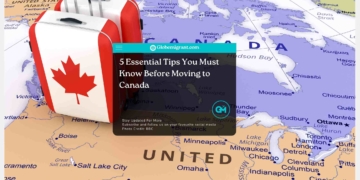
5 Essential Tips You Must Know Before Moving To Canada
Becoming a Canadian permanent resident opens doors, but it does not eliminate the need for preparation. From climate differences to evolving immigration rules, newcomers often face unexpected adjustments. Knowing what to expect ahead of time can help reduce stress and improve long-term settlement outcomes. Here are what to look out for:
1. Canadian Weather Includes Both Extreme Cold And Summer Heat
Many newcomers prepare extensively for Canada’s cold winters but underestimate how much temperatures vary by region and season. Cities like Vancouver experience relatively mild winters, while Toronto regularly averages around -7°C in January.
Summers can also be intense, with July temperatures averaging 27°C and frequently exceeding 30°C in some regions. Understanding Canada’s summer heat could influence decisions about clothing and housing before arrival.
2. Free Settlement Services Are Widely Available And Valuable
Canada offers free settlement services funded mainly by Immigration, Refugees and Citizenship Canada (IRCC). These services assist newcomers with employment preparation, housing, language training, and daily life navigation.
Many immigrants only discover these programs after arrival, despite their availability both before and after landing through IRCC-funded pre-arrival services. Settlement agencies can help tailor resumes to Canadian standards and prepare newcomers for interviews.
3. Community Connections Through Meetups And Networking Matter
Building social and professional connections in Canada can feel difficult, especially during the winter months when outdoor activities decline. However, Canadian cities host year-round Meetup groups, sports leagues, hobby clubs, and professional networking events.

Many are specifically designed for newcomers. These platforms help immigrants build friendships while also creating professional opportunities and local support networks.
4. Winter Clothing Does Not Have To Be Expensive
Winter gear is essential, but overspending is common among newcomers unfamiliar with Canadian winters. One quality winter jacket and a reliable pair of winter boots are usually sufficient when combined with proper layering.
Thermals, gloves, warm socks, and a toque provide added protection at a low cost. Prioritizing insulation and weather resistance over brand names helps manage expenses, especially during the first year.
5. Immigration Rules Continue To Change After PR Approval
Permanent residence does not mark the end of an immigration journey. PR holders must meet ongoing residency obligations, including being physically present in Canada for at least 730 days within a five-year period. Immigration policies also change over time. For example, IRCC recently reduced the validity of visitor visas from 10 years to 1 or 2 years, affecting family visits.
The Parents and Grandparents Program currently prioritizes applicants who submitted interest forms in 2020. Understanding misrepresentation rules and staying informed through official sources or licensed professionals is critical.
Key Takeaways
- Permanent residence offers freedom and benefits, but preparation is essential.
- Canada’s climate includes both severe winter cold and hot summers.
- Free IRCC-funded settlement services support employment and integration.
- Networking through Meetup groups helps build social and professional ties.
- Winter clothing can be affordable with smart purchasing choices.
- Immigration rules evolve, and PR holders must stay informed to remain compliant.
Moving to Canada is a major life milestone that brings opportunity and responsibility. Understanding settlement resources, climate realities, community integration, and ongoing immigration obligations can significantly ease the transition. Staying informed through official government sources and reputable immigration professionals helps newcomers protect their status and plan confidently for the future.
Was this helpful?
Thanks for your feedback!