
• Latest
  • Trending
  • All
  • Immigration News
  • Visa News
  • Lifestyle
  • Videos
  • Featured
USCIS Biometrics Policy Revised for Detainee Processing

USCIS Biometrics Policy Revised for Detainee Processing

January 2, 2026
How Immigration Policy Threatens US Public Safety On December 2, 2025, Human Rights Watch released a report warning that current U.S. immigration enforcement policies are undermining public safety. The report claims these policies discourage undocumented crime survivors from cooperating with law enforcement. It focuses on how aggressive deportation practices weaken the effectiveness of the U visa program. This federal mechanism is designed to protect crime victims while supporting criminal investigations. Source: https://www.hrw.org/news/2025/12/02/us-immigration-policy-undermines-public-safety These findings come as the Trump administration expands immigration enforcement, with arrests now taking place in areas once considered off-limits, like courthouses and healthcare facilities. Understanding How Immigration Policy Threatens US Public Safety The Human Rights Watch report, titled “We Need U: How the U Visa Builds Trust, Counters Fear, and Promotes Community Safety,” examines how deportation-focused enforcement undermines visa protections for undocumented crime victims. According to the report, individuals who might otherwise report abuse or assist police investigations are increasingly reluctant to do so due to fear of immigration arrest. On August 1, 2025, federal agents detained a woman right after an immigration court hearing in New York City. Human Rights Watch uses this case to show that court enforcement discourages survivors from seeking protection or justice. Sara Darehshori, consultant and report author, said that these enforcement measures, designed to fight crime, instead help abusers by reducing victim cooperation. Policy Background or Context The U visa was established by Congress in 2000 to address serious crimes, such as domestic violence, sexual assault, human trafficking, and rape. These crimes particularly affect undocumented women and children. The program allows eligible victims to apply for legal residency if they cooperate with law enforcement and demonstrate substantial physical or mental harm. The program was designed to counteract situations where abusers exploit immigration status to silence victims or evade accountability. Human Rights Watch notes that the U visa includes safeguards to prevent fraudulent claims, such as law-enforcement certification requirements. But the report highlights old problems, such as annual visa caps, long processing times, and inconsistent police certification. Enforcement or Operational Impact Human Rights Watch documented how expanded immigration enforcement has created barriers for crime survivors. ICE arrests near courts, hospitals, and other public institutions discourage individuals from reporting abuse, attending hearings, or seeking protective orders. From May to October 2025, researchers interviewed 43 law enforcement officials, immigration attorneys, advocates, and crime survivors across the U.S. Many said that fear of deportation and family separation stopped victims from seeking help. A survey by the Alliance for Immigrant Survivors found that 75 percent of advocates and attorneys said their clients feared contacting police. More than 70 percent said clients feared going to court about their abusers. Broader Implications The report argues that undermining the U visa program affects not only immigrant communities but public safety more broadly. Victims participating in U visa cases have assisted law enforcement in addressing crimes beyond domestic violence, including robbery, wage theft, hate crimes, sexual assault, and homicide. Human Rights Watch concludes that policies discouraging victim cooperation weaken investigations and prosecutions, allowing perpetrators to remain at large. The organization notes that immigration enforcement priorities that conflict with victim protection obligations may also undermine U.S. commitments to combat gender-based violence.Key Takeaways * On December 2, 2025, Human Rights Watch warned that U.S. immigration enforcement is undermining public safety. * Arrests near courts and healthcare facilities discourage crime survivors from seeking help. * The U visa program, introduced in 2000, was designed to protect undocumented crime victims who assist law enforcement by offering them legal residency options. * Interviews and surveysconsistently show that many immigrant survivors now fear involving the police or courts due to concerns about deportation or other immigration consequences. * Weakening the victim-protection U visa program may further decrease crime reporting and hinder efforts to prosecute offenders, thereby impacting community safety. The report underscores that immigration enforcement policies deterring victim cooperation weaken public safety outcomes. Human Rights Watch urges policymakers to act swiftly, calling for concrete measures to strengthen visa protections for crime survivors and ensure that enforcement practices do not undermine community safety or law enforcement effectiveness.

How Immigration Policy Threatens US Public Safety

January 6, 2026
ICE Arrest at FIFA Event Raises World Cup Safety Concerns for Noncitizens

ICE Arrest at FIFA Event Raises World Cup Safety Concerns for Noncitizens

January 6, 2026
Return Regulation Proposal: A Call For Urgent Reassessment

Return Regulation Proposal: A Call For Urgent Reassessment

January 6, 2026

Processing Freeze Blamed on Immigrants in US

January 6, 2026
Urgent Call To Close Fort Bliss Immigration Detention A protest on August 17, 2025, against mass deportations at the Fort Bliss military base in El Paso, Texas, exposed alarming allegations of inhumane treatment at the newly established immigration detention facility. Human rights organizations demand an immediate end to detention at Fort Bliss, following detailed evidence of abuse, neglect, and coercive practices targeting detainees. Source: https://www.hrw.org/news/2025/12/08/us-close-fort-bliss-immigration-detention-site Understanding Fort Bliss Immigration Detention Fort Bliss detention now imprisons over 2,700 individuals, making it the largest immigration detention center in the United States. The Trump administration established the facility hastily in August 2025, disregarding warnings from lawmakers and advocates about severe humanitarian risks. Human rights groups, including the American Civil Liberties Union, ACLU of New Mexico, and Human Rights Watch, have forcefully condemned the facility and documented serious violations in the treatment of detainees. Policy Background And Context The facility faces intense scrutiny following reports of mass deportations and credible allegations of systemic violations of federal detention standards. A September 2025 Washington Post report found that over 60 federal standards were violated just 50 days after opening. Lawmakers, including Representative Veronica Escobar, have sharply criticized conditions such as contaminated drinking water, spoiled food, substandard medical care, and restricted access to legal counsel. Enforcement And Operational Impact Human rights organizations have amassed testimony from over 45 detainees, supported by 16 sworn declarations, that prove egregious abuse, including beatings, sexual assault, forced deportations, and threats of violence. Individual accounts include: * “Samuel,” a young detainee, reported being beaten by officers, resulting in severe injuries, including a broken tooth and hearing loss. * Ignacio, a Cuban detainee, described repeated physical assaults and being coerced onto a bus with threats of deportation to Mexico. These operational practices unequivocally demonstrate that detainees are being subjected to coercive tactics and unsafe deportation procedures, particularly for non-Mexican nationals. Broader Implications Advocates urge immediate closure of Fort Bliss and demand action from policymakers to ensure humane treatment, uphold detainees' legal rights, and prevent further abuse in immigration detention centers. Key Takeaways * On August 17, 2025, protests highlighted abusive conditions at Fort Bliss immigration detention. * The facility houses over 2,700 detainees and is the largest immigration detention center in the US. * Allegations include beatings, sexual abuse, medical neglect, inadequate food, and coerced deportations. * Violations of over 60 federal detention standards were documented within 50 days of operation. * Human rights organizations and lawmakers are calling for the immediate closure of Fort Bliss and are urging policymakers to prioritize enhanced independent oversight of all immigration detention facilities. To support the call for humane treatment and policy change, visit the American Civil Liberties Union and Human Rights Watch. Learn how you can advocate for detainees' rights at www.globemigrant.com/immigration-issues and www.globemigrant.com/advocacy-resources. Source: Human Rights Watch, published December 8, 2025 https://www.hrw.org/news/2025/12/08/us-close-fort-bliss-immigration-detention-site Tags: Immigration Detention, Fort Bliss, Human Rights, ICE, Deportation, US Immigration, Immigration Policy, ACLU, Advocacy, Immigration News

Urgent Call to Close Fort Bliss Immigration Detention

January 5, 2026
Humanitarians On Trial In Greece Face Baseless Smuggling Charges

Humanitarians On Trial In Greece Face Baseless Smuggling Charges

January 5, 2026
Manitoba Immigration Draw 2025 Attracts Hundreds of Skilled Pros

Manitoba Immigration Draw 2025 Attracts Hundreds of Skilled Pros

January 4, 2026
Masked Federal Agents Threaten America's Rule of Law

Masked Federal Agents Threaten America’s Rule of Law

January 3, 2026
Study to Immigrate Canada: Why It Surpasses the UK Now

Study to Immigrate Canada: Why It Surpasses the UK Now

January 3, 2026
Bill C-3 Canadian Citizenship: New Clear Pathway Unveiled

Bill C-3 Canadian Citizenship: New Clear Pathway Unveiled

January 2, 2026
Temporary Foreign Worker Program Arrivals Hit Two-Year Low

Temporary Foreign Worker Program Arrivals Hit Two-Year Low

January 2, 2026
British Columbia PNP 2025 Sees Second Allocation Boost, IPG Waitlist Gains

British Columbia PNP 2025 Sees Second Allocation Boost, IPG Waitlist Gains

January 2, 2026
  • About
  • Advertise
  • Contact
  • Privacy Policy
  • Refund & Cancellation Policy
  • Cookie Policy
  • Grievance Policy
  • Terms of Use
Wednesday, January 7, 2026
  • Login
globemigrant.com
  • Home
  • Immigration News
  • Visa News
  • Lifestyle
  • Videos
  • Subscription
No Result
View All Result
globemigrant.com
No Result
View All Result
Home Immigration News

USCIS Biometrics Policy Revised for Detainee Processing

by Globe Migrant
January 2, 2026
in Immigration News
USCIS Biometrics Policy Revised for Detainee Processing

An image of an office table

2
SHARES
2
VIEWS
Share on FacebookWhatsappShare on Twitter
U.S. Citizenship and Immigration Services has revised its biometrics policy for immigration detainees, clarifying that the new procedures specifically apply to individuals held by immigration authorities. The update, reflected in USCIS Policy Manual Volume 1, Part C, establishes new parameters for when biometrics will be collected from detained aliens and aims to ensure operational consistency across the agency.
This USCIS Biometrics Policy policy is effective immediately for all new and pending requests, replacing prior instructions on detainee biometrics collection.

Understanding the USCIS Biometrics Policy Update

USCIS collects fingerprints and photographs to verify identities and support security checks. In the past, the agency requested biometrics from a broader range of detainees, including some who were not in removal proceedings.
Now, DHS ( Department of Homeland Security) will not collect biometrics from detained aliens unless they are in removal proceedings and have a pending application with the Executive Office for Immigration Review. This focused approach reduces administrative burden and allocates resources to where biometric data is needed for decision-making or security checks.
The revision aims to address concerns about inconsistent detainee processing by clarifying when biometrics are required. This provides standardized procedures and clearer guidance to officers, attorneys, and detainees.

Enforcement and Implementation

USCIS staffs now follow this definitive policy to ensure biometrics are collected only when justified by law and operational needs.
This policy revision does not affect non-detained applicants or general biometrics procedures. For detained aliens, it clarifies who is eligible and adds procedural safeguards, reducing confusion when dealing with immigration authorities.

Broader Implications

The update reflects a broader emphasis on operational efficiency and targeted enforcement within the immigration system. By narrowing the circumstances under which detainee biometrics are collected, USCIS can allocate resources more strategically while maintaining security standards.
Enforcement and Implementation - USCIS Biometrics Policy Revised for Detainee Processing
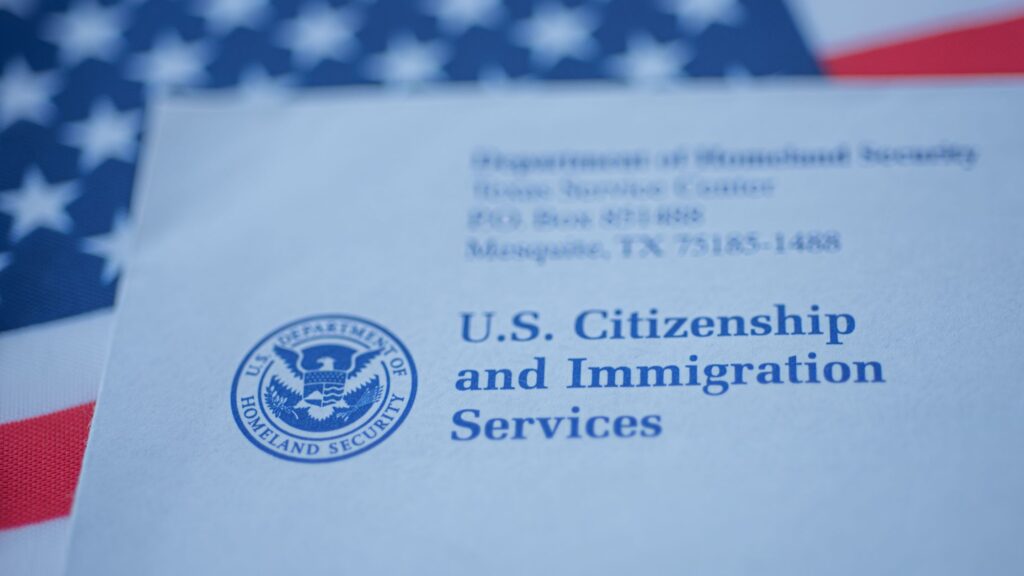
An image showing USCIS document
Legal practitioners and efficiency and targeted enforcement within the immigration system advocates note the change could affect evidence needs and timelines in removal proceedings. Detainees and their representatives should review pending applications to see if the new policy changes their processing steps.

Key Takeaways

  • USCIS revised its biometrics policy for detainee processing in Policy Manual Volume 1, Part C
  • Biometrics will generally only be collected from detainees in removal proceedings with pending applications or petitions.
  • The policy change is effective immediately and applies to new and pending requests.
  • Prior instructions regarding detainee biometrics are officially superseded.
  • The update aims to ensure operational consistency and reduce unnecessary administrative burden.
USCIS’s revised biometrics policy standardizes detainee processing while keeping security and identity checks. Limiting biometric collection to necessary cases supports a more targeted, consistent approach that balances efficiency and safeguards.

Was this helpful?

Yes
No
Thanks for your feedback!

ShareSendTweet
ADVERTISEMENT
Globe Migrant

Globe Migrant

  • Trending
  • Comments
  • Latest
Ireland visa application

Ireland Visa Application: How to Apply, Requirements, and Benefits

April 20, 2021

5 Countries with the Best Street Food

March 7, 2022
Visit Nairobi

Top Things to Explore and Experience When You Visit Nairobi

February 12, 2024

Best Restaurants in Playa del Carmen, Mexico

November 17, 2025
Asylum system reforms

Asylum System Reforms Ignite Fierce Backlash as Labour Pushes Tough New Rules

December 16, 2025
Key Updates on China 2025 Immigration Reforms_ What You Need to Know- Key Updates on China 2025 Immigration Reforms_ What You Need to Know

China 2025 Immigration Reforms

December 2, 2025
US Sanctions Dozens of People Worldwide over Human Rights Abuses

US Sanctions Dozens of People Worldwide over Human Rights Abuses

January 12, 2025
Best beaches in Newquay

15 Best Beaches in Newquay, England

0
Best things to do in Cambridge

15 Best Things To Do in Cambridge, England

0
Visit Nairobi

Top Things to Explore and Experience When You Visit Nairobi

0
How COVID-19 changed travel

How COVID-19 Changed Travel: 11 Ways It Transformed the Way We Explore the World

0
things to do in Rio de janeiro

Things to Do in Rio de Janeiro: A City of Marvel and Beauty

0
places to visit in South Africa

Places to Visit in South Africa: Your Guide to the Country’s Most Stunning Attractions

0
must-visit travel destinations in 2021

Must-Visit Travel Destinations in 2021: 15 Incredible Places That Defined the Year

0
How Immigration Policy Threatens US Public Safety On December 2, 2025, Human Rights Watch released a report warning that current U.S. immigration enforcement policies are undermining public safety. The report claims these policies discourage undocumented crime survivors from cooperating with law enforcement. It focuses on how aggressive deportation practices weaken the effectiveness of the U visa program. This federal mechanism is designed to protect crime victims while supporting criminal investigations. Source: https://www.hrw.org/news/2025/12/02/us-immigration-policy-undermines-public-safety These findings come as the Trump administration expands immigration enforcement, with arrests now taking place in areas once considered off-limits, like courthouses and healthcare facilities. Understanding How Immigration Policy Threatens US Public Safety The Human Rights Watch report, titled “We Need U: How the U Visa Builds Trust, Counters Fear, and Promotes Community Safety,” examines how deportation-focused enforcement undermines visa protections for undocumented crime victims. According to the report, individuals who might otherwise report abuse or assist police investigations are increasingly reluctant to do so due to fear of immigration arrest. On August 1, 2025, federal agents detained a woman right after an immigration court hearing in New York City. Human Rights Watch uses this case to show that court enforcement discourages survivors from seeking protection or justice. Sara Darehshori, consultant and report author, said that these enforcement measures, designed to fight crime, instead help abusers by reducing victim cooperation. Policy Background or Context The U visa was established by Congress in 2000 to address serious crimes, such as domestic violence, sexual assault, human trafficking, and rape. These crimes particularly affect undocumented women and children. The program allows eligible victims to apply for legal residency if they cooperate with law enforcement and demonstrate substantial physical or mental harm. The program was designed to counteract situations where abusers exploit immigration status to silence victims or evade accountability. Human Rights Watch notes that the U visa includes safeguards to prevent fraudulent claims, such as law-enforcement certification requirements. But the report highlights old problems, such as annual visa caps, long processing times, and inconsistent police certification. Enforcement or Operational Impact Human Rights Watch documented how expanded immigration enforcement has created barriers for crime survivors. ICE arrests near courts, hospitals, and other public institutions discourage individuals from reporting abuse, attending hearings, or seeking protective orders. From May to October 2025, researchers interviewed 43 law enforcement officials, immigration attorneys, advocates, and crime survivors across the U.S. Many said that fear of deportation and family separation stopped victims from seeking help. A survey by the Alliance for Immigrant Survivors found that 75 percent of advocates and attorneys said their clients feared contacting police. More than 70 percent said clients feared going to court about their abusers. Broader Implications The report argues that undermining the U visa program affects not only immigrant communities but public safety more broadly. Victims participating in U visa cases have assisted law enforcement in addressing crimes beyond domestic violence, including robbery, wage theft, hate crimes, sexual assault, and homicide. Human Rights Watch concludes that policies discouraging victim cooperation weaken investigations and prosecutions, allowing perpetrators to remain at large. The organization notes that immigration enforcement priorities that conflict with victim protection obligations may also undermine U.S. commitments to combat gender-based violence.Key Takeaways * On December 2, 2025, Human Rights Watch warned that U.S. immigration enforcement is undermining public safety. * Arrests near courts and healthcare facilities discourage crime survivors from seeking help. * The U visa program, introduced in 2000, was designed to protect undocumented crime victims who assist law enforcement by offering them legal residency options. * Interviews and surveysconsistently show that many immigrant survivors now fear involving the police or courts due to concerns about deportation or other immigration consequences. * Weakening the victim-protection U visa program may further decrease crime reporting and hinder efforts to prosecute offenders, thereby impacting community safety. The report underscores that immigration enforcement policies deterring victim cooperation weaken public safety outcomes. Human Rights Watch urges policymakers to act swiftly, calling for concrete measures to strengthen visa protections for crime survivors and ensure that enforcement practices do not undermine community safety or law enforcement effectiveness.

How Immigration Policy Threatens US Public Safety

January 6, 2026
ICE Arrest at FIFA Event Raises World Cup Safety Concerns for Noncitizens

ICE Arrest at FIFA Event Raises World Cup Safety Concerns for Noncitizens

January 6, 2026
Return Regulation Proposal: A Call For Urgent Reassessment

Return Regulation Proposal: A Call For Urgent Reassessment

January 6, 2026

Processing Freeze Blamed on Immigrants in US

January 6, 2026
Urgent Call To Close Fort Bliss Immigration Detention A protest on August 17, 2025, against mass deportations at the Fort Bliss military base in El Paso, Texas, exposed alarming allegations of inhumane treatment at the newly established immigration detention facility. Human rights organizations demand an immediate end to detention at Fort Bliss, following detailed evidence of abuse, neglect, and coercive practices targeting detainees. Source: https://www.hrw.org/news/2025/12/08/us-close-fort-bliss-immigration-detention-site Understanding Fort Bliss Immigration Detention Fort Bliss detention now imprisons over 2,700 individuals, making it the largest immigration detention center in the United States. The Trump administration established the facility hastily in August 2025, disregarding warnings from lawmakers and advocates about severe humanitarian risks. Human rights groups, including the American Civil Liberties Union, ACLU of New Mexico, and Human Rights Watch, have forcefully condemned the facility and documented serious violations in the treatment of detainees. Policy Background And Context The facility faces intense scrutiny following reports of mass deportations and credible allegations of systemic violations of federal detention standards. A September 2025 Washington Post report found that over 60 federal standards were violated just 50 days after opening. Lawmakers, including Representative Veronica Escobar, have sharply criticized conditions such as contaminated drinking water, spoiled food, substandard medical care, and restricted access to legal counsel. Enforcement And Operational Impact Human rights organizations have amassed testimony from over 45 detainees, supported by 16 sworn declarations, that prove egregious abuse, including beatings, sexual assault, forced deportations, and threats of violence. Individual accounts include: * “Samuel,” a young detainee, reported being beaten by officers, resulting in severe injuries, including a broken tooth and hearing loss. * Ignacio, a Cuban detainee, described repeated physical assaults and being coerced onto a bus with threats of deportation to Mexico. These operational practices unequivocally demonstrate that detainees are being subjected to coercive tactics and unsafe deportation procedures, particularly for non-Mexican nationals. Broader Implications Advocates urge immediate closure of Fort Bliss and demand action from policymakers to ensure humane treatment, uphold detainees' legal rights, and prevent further abuse in immigration detention centers. Key Takeaways * On August 17, 2025, protests highlighted abusive conditions at Fort Bliss immigration detention. * The facility houses over 2,700 detainees and is the largest immigration detention center in the US. * Allegations include beatings, sexual abuse, medical neglect, inadequate food, and coerced deportations. * Violations of over 60 federal detention standards were documented within 50 days of operation. * Human rights organizations and lawmakers are calling for the immediate closure of Fort Bliss and are urging policymakers to prioritize enhanced independent oversight of all immigration detention facilities. To support the call for humane treatment and policy change, visit the American Civil Liberties Union and Human Rights Watch. Learn how you can advocate for detainees' rights at www.globemigrant.com/immigration-issues and www.globemigrant.com/advocacy-resources. Source: Human Rights Watch, published December 8, 2025 https://www.hrw.org/news/2025/12/08/us-close-fort-bliss-immigration-detention-site Tags: Immigration Detention, Fort Bliss, Human Rights, ICE, Deportation, US Immigration, Immigration Policy, ACLU, Advocacy, Immigration News

Urgent Call to Close Fort Bliss Immigration Detention

January 5, 2026
Humanitarians On Trial In Greece Face Baseless Smuggling Charges

Humanitarians On Trial In Greece Face Baseless Smuggling Charges

January 5, 2026
Manitoba Immigration Draw 2025 Attracts Hundreds of Skilled Pros

Manitoba Immigration Draw 2025 Attracts Hundreds of Skilled Pros

January 4, 2026
ADVERTISEMENT

  • About
  • Advertise
  • Contact
  • Privacy Policy
  • Refund & Cancellation Policy
  • Cookie Policy
  • Grievance Policy
  • Terms of Use
Email us: [email protected]

Copyright © 2025 Globemigrant.

Welcome Back!

Sign In with Google
OR

Login to your account below

Forgotten Password?

Retrieve your password

Please enter your username or email address to reset your password.

Log In

Add New Playlist

No Result
View All Result
  • Home
  • Immigration News
  • Visa News
  • Lifestyle
  • Videos
  • Subscription

Copyright © 2025 Globemigrant.

This website uses cookies. By continuing to use this website you are giving consent to cookies being used. Visit our Privacy and Cookie Policy.

This article is free for subscribers

You’re welcome to continue reading this article at no cost. 

Are you sure want to unlock this post?
Unlock left : 0
Are you sure want to cancel subscription?