


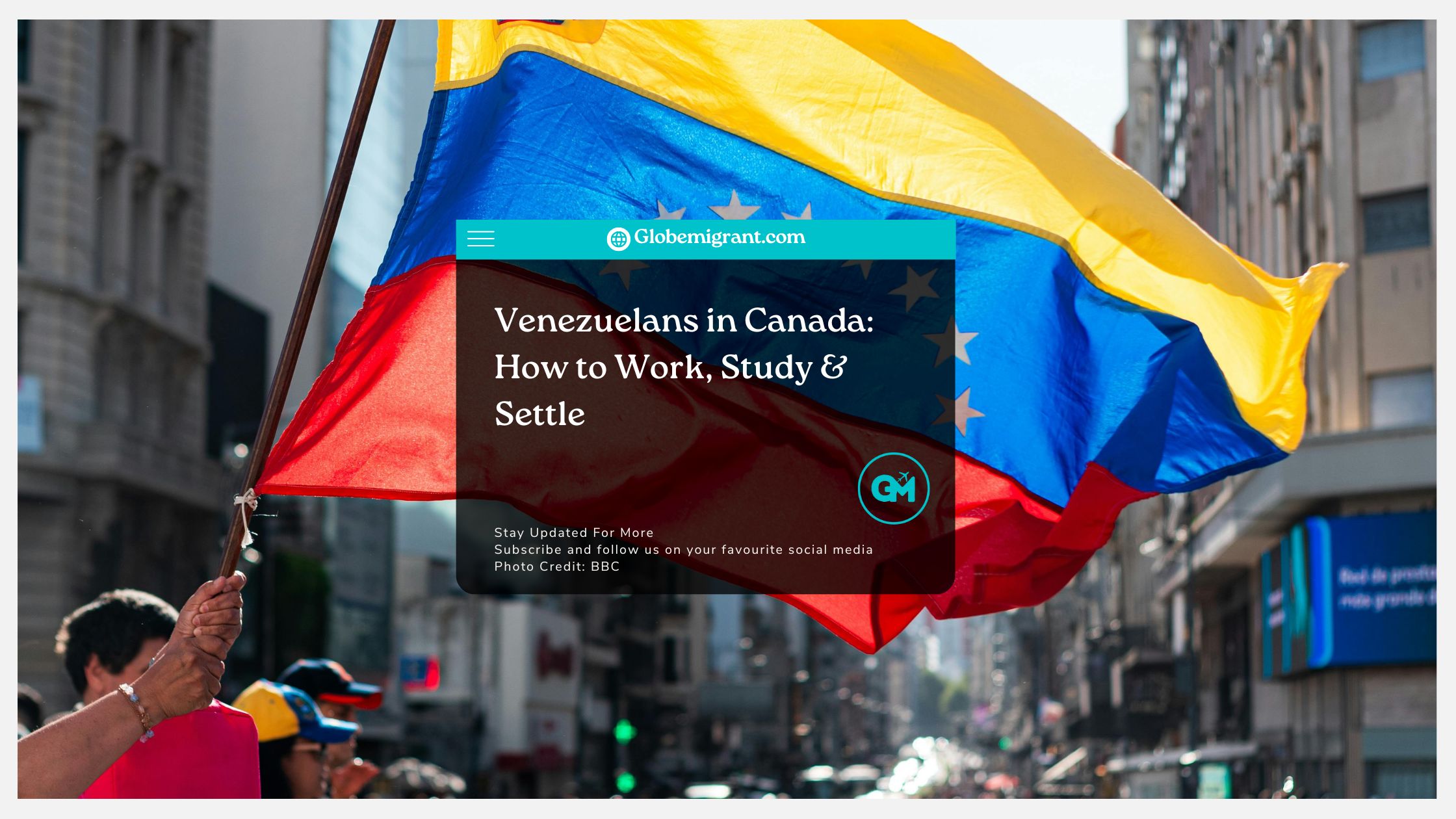
Venezuelans in Canada can access multiple immigration pathways, both temporary and permanent, depending on their personal circumstances, qualifications, and long-term goals. Canadian immigration law evaluates applicants based on eligibility and credibility rather than nationality. This means Venezuelan nationals are assessed individually, with the same legal standards applied to all foreign nationals, while accounting for current global realities.
This guide provides a comprehensive overview of how Venezuelans can work, study, and settle in Canada, including temporary resident options, permanent residence pathways, and family-based immigration programs.
Temporary Resident Pathways
Temporary residence is often the first step for Venezuelans seeking to enter Canada. These pathways allow individuals to visit, study, or work in Canada for a defined period, with some options leading to permanent residence later.
1. Visitor Visa
A visitor visa is required for Venezuelan nationals to enter Canada for tourism, business, or family visits. Most visitor visas allow stays of up to six months per entry. Visitor status does not authorize work or study unless a separate permit is obtained.
Core eligibility criteria include:
- A valid passport or recognized travel document
- Proof of sufficient funds for the duration of stay
- Evidence of ties outside Canada
- Admissibility under Canadian immigration law
Immigration officers assess whether the applicant will leave Canada at the end of the authorized stay. Applications that fail to demonstrate clear travel purpose or strong ties may be refused.
Typical application process from outside Canada:
- Prepare documents supporting the purpose of travel.
- Submit an online application through IRCC.
- Provide biometrics if required.
- Submit a passport for visa issuance if approved.
2. Study Permit
A study permit allows Venezuelan nationals to pursue education at Canadian institutions and work limited hours during their studies. Most applicants must secure approval before travelling to Canada.
Key documents required include:
- Letter of Acceptance from a Designated Learning Institution (DLI)
- Provincial or Territorial Attestation Letter (PAL or TAL), where applicable
- Proof of financial capacity for tuition, living expenses, and travel
Applicants may also need a medical exam and biometrics, depending on their circumstances.
Application process overview:
- Secure admission from a DLI
- Obtain a PAL or TAL and a Quebec Acceptance Certificate if studying in Quebec.
- Apply online with supporting documents.
- Receive a letter of introduction if approved.
Graduates from eligible programs may qualify for a Post-Graduation Work Permit, which can be a major pathway toward permanent residence.
3. Work Permits
Work permits allow Venezuelan nationals to work legally in Canada and are often used as a bridge to permanent residence.
There are two main categories:
- Employer-specific work permits, tied to a specific employer and often requiring a Labour Market Impact Assessment (LMIA)
- Open work permits, allowing employment with most employers without an LMIA
LMIA-based permits require a valid job offer and demonstrate that hiring a foreign worker will not negatively impact the Canadian labor market.
General application steps:
- Identify the appropriate work permit category.
- Submit an online application with job offer documents if required.
- Provide biometrics and medical exams when requested.
- Receive a letter of introduction and visa if approved.
Key Considerations For Venezuelans Applying As Temporary Residents
One of the most important concepts in temporary resident applications is removal risk. Immigration officers must be satisfied that applicants will leave Canada at the end of their authorized stay.
Due to ongoing instability in Venezuela, applications may face increased scrutiny. Refusals are usually based on standard grounds such as:
- Insufficient ties outside Canada
- Weak financial evidence
- Unclear purpose of travel
- Limited travel history
Practical tips to strengthen applications:
- Provide clear and detailed travel plans.
- Submit strong financial documentation.
- Demonstrate ties such as employment, family, or residence outside Canada.
- Ensure consistency across all application forms and documents.
Dual intent is permitted under Canadian law, meaning applicants may pursue permanent residence while holding temporary status, provided they can demonstrate willingness to leave if required.
Canadian Recognition Of Venezuelan Passport Extensions
Canada recognizes the Venezuelan National Assembly’s decree extending the validity of certain Venezuelan passports by 5 years from their original expiry date, effective August 19, 2019. This policy does not apply to provisional passports.
If the passport has exceeded the extension period, it is considered expired for IRCC purposes.
Permanent Residence Pathways
1. Express Entry
Express Entry manages applications for three federal economic programs:
- Federal Skilled Worker Program
- Canadian Experience Class
- Federal Skilled Trades Program
Candidates are ranked using the Comprehensive Ranking System based on factors such as age, education, work experience, and language ability.
Basic process includes:
- Creating an Express Entry profile
- Receiving a CRS score
- Waiting for a draw meeting the cut-off
- Submitting a permanent residence application if invited
2. Provincial Nominee Programs
Provincial Nominee Programs allow provinces and territories to nominate candidates who meet regional labor needs. Most provinces operate both Express Entry-aligned and non-Express Entry streams.
A provincial nomination can significantly improve permanent residence prospects by adding 600 CRS points in Express Entry-linked streams.
3. Federal Pilots And Special Programs
Canada also offers pilot programs leading to permanent residence, including:
- Atlantic Immigration Program
- Rural and Northern Immigration Pilot
- Francophone immigration initiatives
These programs often require job offers from designated employers and settlement in specific regions.
Family Immigration Options
1. Parents And Grandparents
Canadian citizens and permanent residents can sponsor Venezuelan parents or grandparents through:
- The Parents and Grandparents Program
- The Super Visa
The Super Visa allows stays of up to five years per entry and multiple entries for up to ten years.
2. Spousal Sponsorship
Spouses or common-law partners of Canadian citizens or permanent residents may be sponsored for permanent residence. Applicants may apply from outside or within Canada, if eligible.
Sponsored spouses in Canada may also qualify for a Spousal Open Work Permit while their application is being processed.
Key Takeaways
- Venezuelans can apply for Canadian immigration through temporary, permanent, and family-based pathways.
- Visitor visas, study permits, and work permits are common entry points.
- Removal risk and credibility are central to decisions about temporary residents.
- Canada recognizes certain Venezuelan passport extensions.
- Express Entry and PNPs are primary economic pathways to permanent residence.
- Family sponsorship remains a viable long-term option for reunification.
Canada offers Venezuelan nationals a wide range of lawful immigration options, regardless of nationality, provided they meet the eligibility and credibility requirements. Whether the goal is short-term entry, education, employment, or permanent settlement, understanding the legal framework and preparing strong, well-documented applications is essential. With careful planning, Venezuelans can successfully navigate Canada’s immigration system and build a secure future.
This Article is Free for Subscribers
Access 2000+ premium insights, visa updates, and global lifestyle stories all in one place. <div> For Subscribers, Login here
Login if you have purchased