


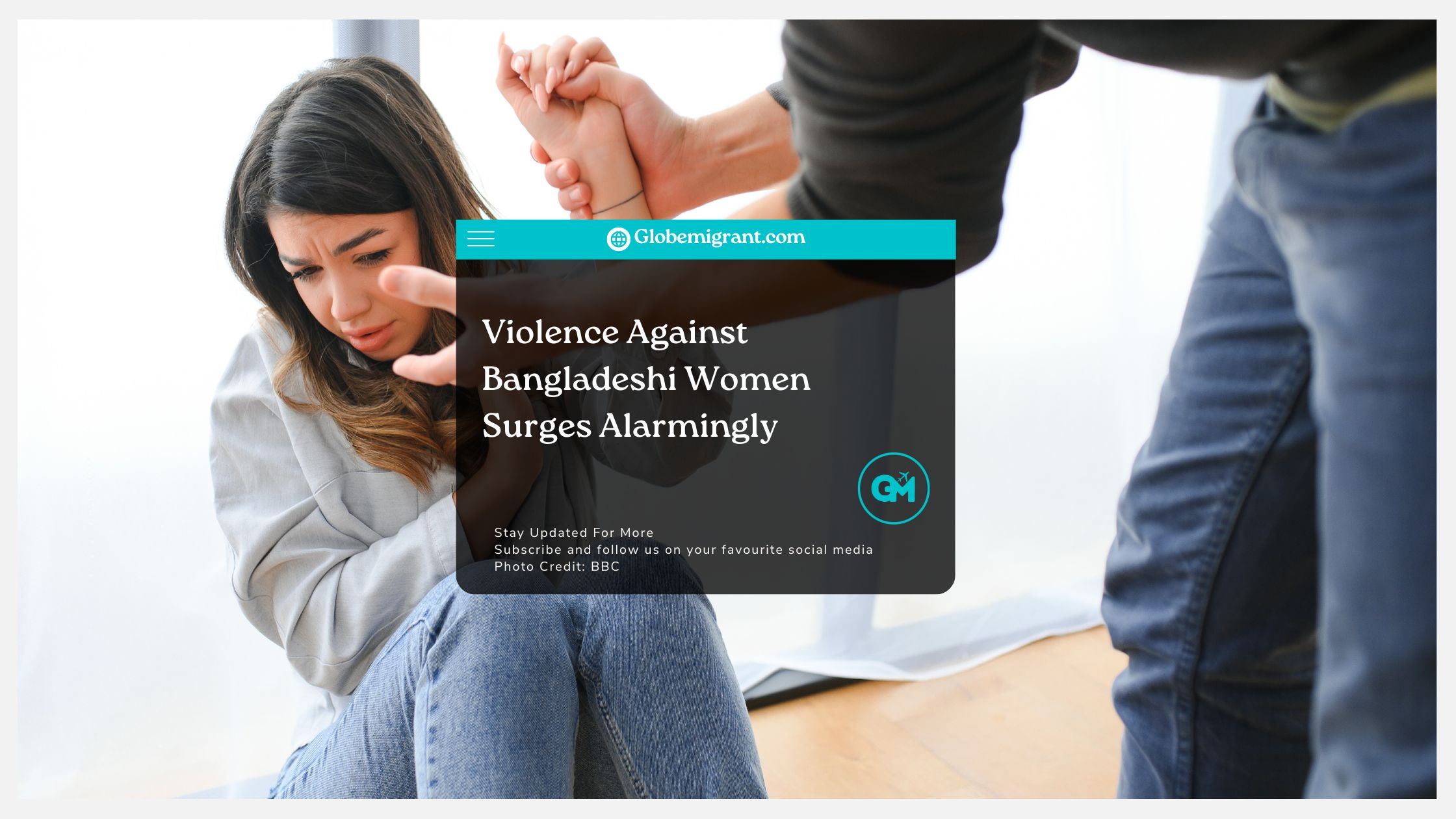
Violence against women in Bangladesh has escalated significantly as the nation prepares for its first general elections since the Monsoon Revolution of August 2024. On November 25, 2025, activists commemorated the International Day for the Elimination of Violence against Women in Dhaka, highlighting ongoing threats to women’s safety.
Recent reports from Bangladeshi police indicate a sharp rise in attacks targeting women, girls, and religious minorities. Between January and June 2025, incidents of gender-based violence spiked compared to the same period in 2024, signalling increasing insecurity under the interim government.
Dr Fauzia Moslem, president of the Bangladesh Mahila Parishad (BMP), attributes this rise to hostile actions and rhetoric from religious factions seeking to restrict women’s societal participation. In May 2025, protests led by hardline groups opposed reforms promoting gender equality, further endangering women through verbal, physical, and digital harassment.
Violence Against Minorities
Abuses extend beyond women. Hindu minorities have been severely targeted, with human rights groups documenting at least 51 attacks between 2024 and 2025, 10 of which were fatal. A notable case in December involved the killing of 27-year-old garment worker Dipu Chandra Das over blasphemy allegations
Ethnic minorities in the Chittagong Hill Tracts continue to face abuse from security forces, illustrating a broader pattern of state and societal violence following the Monsoon Revolution.
Despite Bangladesh having had two female prime ministers and significant female involvement in the 2024 student-led protests, women remain underrepresented in politics. Ahead of the upcoming elections, 30 out of 51 political parties have no female candidates. The Islamist party Jamaat-e-Islami notably nominated zero women among its 276 candidates.
Recommendations For Government Action
Human rights advocates urge the Bangladeshi government to implement the recommendations of the Women’s Affairs Reform Commission. Key measures include:
- Enhancing women’s parliamentary representation
- Complying with the UN Security Council’s Women, Peace, and Security agenda
- Upholding obligations under CEDAW and the ICCPR
- Enforcing constitutional protections for religious and ethnic minorities
These steps aim to safeguard women’s rights and protect vulnerable communities while promoting gender equality and minority inclusion in political processes.
Key Takeaways
- Incidents of gender-based violence increased sharply in early 2025.
- Religious factions have actively opposed reforms, leading to harassment of women.
- Hindus and ethnic minorities face targeted attacks and killings.
- Political participation of women remains extremely limited in the upcoming elections.
- Government action is needed to implement UN and national recommendations for rights protection.
Was this helpful?
Thanks for your feedback!