


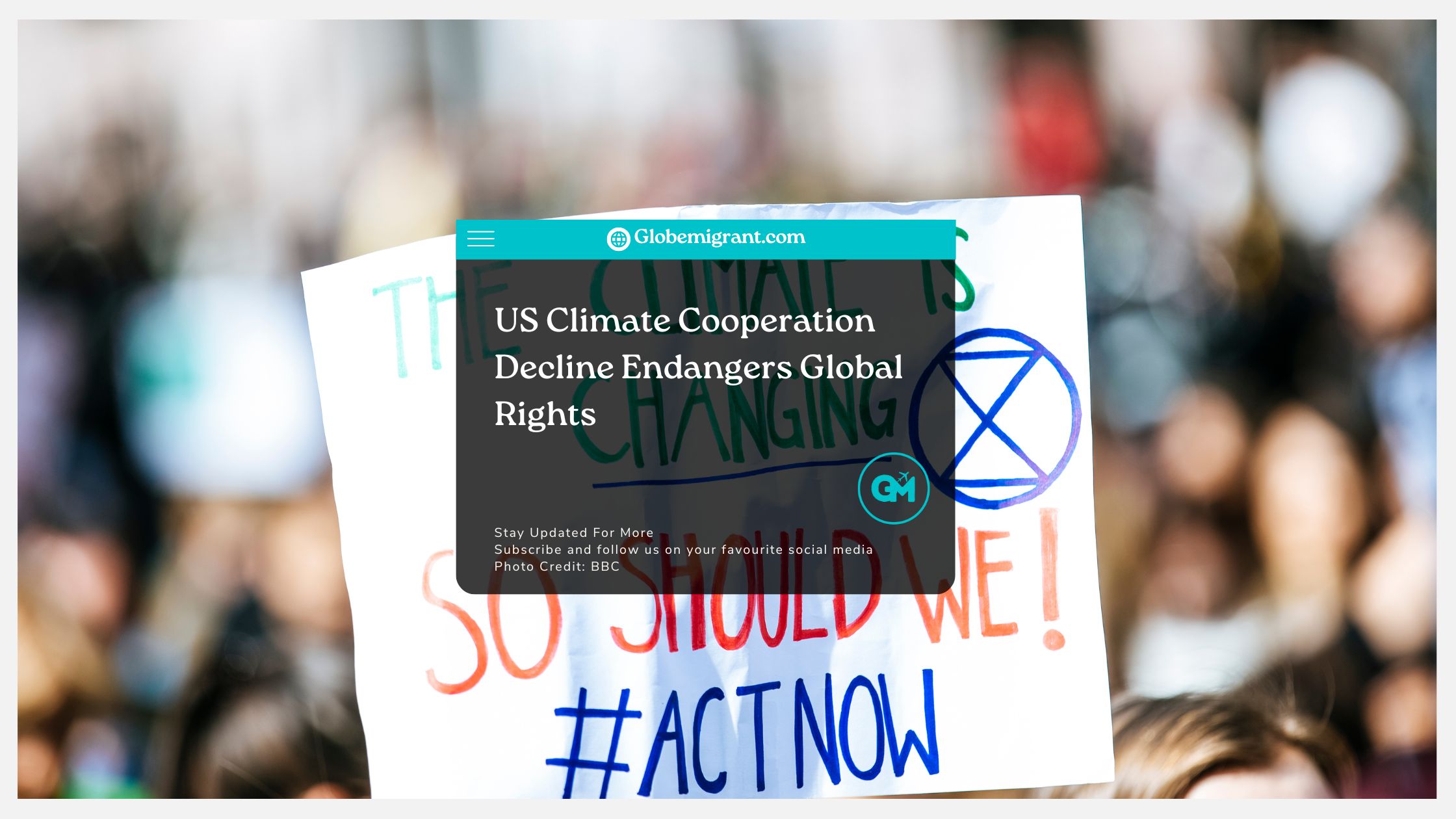
US climate cooperation has weakened significantly following the Trump administration’s announcement of its withdrawal from more than 60 international organizations, conventions, and treaties, including key climate bodies such as the United Nations Framework Convention on Climate Change (UNFCCC) and the Intergovernmental Panel on Climate Change (IPCC). Climate activists highlighted these concerns on November 13, 2025, during a press conference with House Democrats ahead of COP30 outside the US Capitol, warning that the decision could have lasting global consequences.
The administration has framed this retreat as a move to protect US national interests, arguing that multilateral climate cooperation limits domestic policy freedom. However, addressing climate change-related challenges such as rising greenhouse gas emissions, extreme weather events, and long-term environmental degradation requires coordinated global action and shared scientific frameworks. The withdrawal from climate institutions risks undermining collective efforts that rely on transparent data, peer review, and international accountability.
Climate Policy And Human Rights Implications
Climate change increasingly threatens fundamental human rights, including the rights to life, health, food, water, housing, and a safe environment, as recognized by the United Nations and multiple international human rights bodies . Reduced US engagement weakens international pressure on major emitters and may slow progress on mitigation and adaptation strategies that protect vulnerable populations.
In the United States, communities near fossil fuel and petrochemical facilities already experience disproportionate health and environmental harms from pollution. Globally, UN-supported climate initiatives have helped countries such as Bangladesh and Fiji plan for safer housing, coastal protection, and disaster preparedness in response to floods and cyclones, demonstrating the tangible benefits of coordinated climate action.
In a September 2025 address to the UN General Assembly, President Trump dismissed climate-friendly policies and renewable energy initiatives as a “scam,” reinforcing concerns about the US stance on climate governance. While the UNFCCC has limitations, it remains the central platform for tracking national emissions, evaluating climate commitments, and facilitating international dialogue grounded in scientific evidence from bodies like the IPCC.
Leaving the UNFCCC goes beyond the earlier withdrawal from the Paris Agreement, as it removes the US from negotiations on emissions reporting, carbon markets, climate finance, and adaptation planning. This step reduces transparency and limits civil society participation, which the UN climate framework uniquely supports through structured consultations and open reporting mechanisms.
Why International Cooperation Still Matters
Although climate action is increasingly pursued through domestic regulations, court rulings, supply chain standards, and regional agreements, these approaches often lack the inclusiveness, scientific coordination, and accountability offered by global conventions. Climate change is a borderless crisis, and fragmented responses risk deepening inequalities and delaying effective solutions.
Strengthening international cooperation remains essential for reducing emissions, supporting a just transition from fossil fuels to renewable energy, and safeguarding human rights worldwide. Governments are urged to improve and reinforce global climate frameworks rather than dismantle them, particularly as climate impacts intensify across regions and economies.
Key Takeaways
- The US decision to withdraw from major climate bodies weakens global climate cooperation.
- Reduced participation threatens progress on climate-related human rights protections.
- UN climate frameworks provide transparency, accountability, and scientific coordination.
- Vulnerable communities face increased risks as international collaboration declines.
- Strengthening global climate institutions is critical to addressing a borderless crisis.
Was this helpful?
Yes
No
Thanks for your feedback!