


Focus Keyword: Global Migration
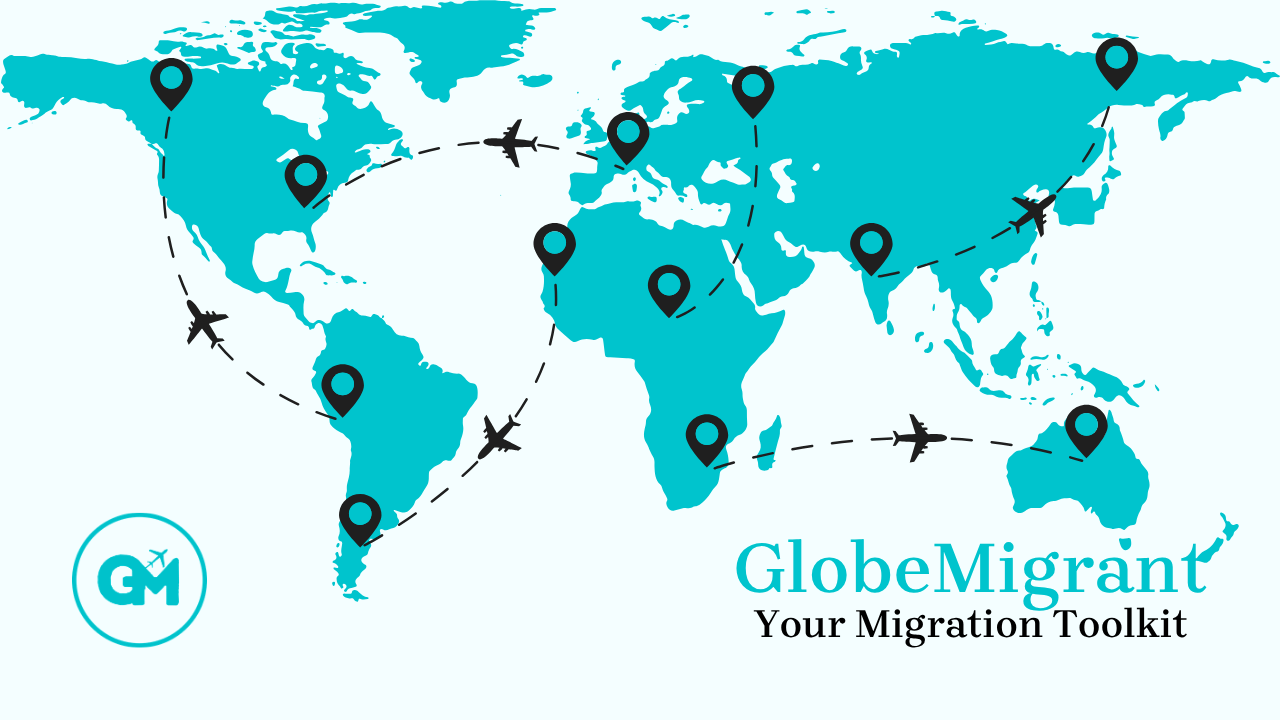
Global migration is a phenomenon that has been on the rise in the 21st century. Many individuals are seeking better opportunities, safety, and quality of life in different countries. Statistics reveal that approximately 272 million people, or 3.5% of the world’s population, currently reside outside their country of origin, marking a significant increase from previous years.
The drivers behind global migration are varied. Economic factors play a crucial role, as individuals and families move to regions with stronger job markets and better living conditions. Social factors, including education and healthcare, also motivate people to relocate. Additionally, political instability and conflict in certain regions compel many to seek refuge elsewhere.
Global migration affects both the host and home countries. Host nations often benefit from the influx of new talent and labor, which can help boost their economies. Conversely, home countries can suffer from brain drain, losing skilled workers to more developed nations. According to the World Bank, remittances from migrants have reached over $700 billion annually, providing essential financial support to families in their native countries.
The impact of global migration extends beyond financial aspects. It also involves cultural exchanges that enrich societies and broaden perspectives. As migrant populations grow, they often bring diverse traditions, languages, and cuisines that enhance local cultures. However, it is essential for host countries to implement effective integration policies that promote social cohesion and mutual respect among different communities.
Furthermore, global migration can pose challenges such as xenophobia and pressures on public services. Policymakers must address these issues to ensure that immigration policies are fair and that immigrants are supported in their transition to new lives. Comprehensive strategies can help mitigate potential conflicts and promote understanding between locals and newcomers.
In exploring this topic, it is crucial to reference high-authority organizations that analyze and report on migration patterns. The International Organization for Migration (IOM) provides valuable insights into the trends and statistics surrounding global migration. Additionally, the United Nations offers resources detailing the socio-economic impacts of migrating populations.
For more resources on global migration and its effects, the following links can be useful:
– [International Organization for Migration](https://www.iom.int)
– [United Nations Migration](https://www.un.org/en/sections/issues-depth/migration)
For interested readers seeking additional information on immigration pathways and policies, please explore the resources available at [www.globemigrant.com/immigration-pathways](http://www.globemigrant.com/immigration-pathways) and [www.globemigrant.com/country-reports](http://www.globemigrant.com/country-reports). The evolving landscape of global migration reflects the ongoing quest for better living conditions and opportunities, reinforcing the importance of addressing its challenges and harnessing its benefits effectively.
Source: [Original Article Link](