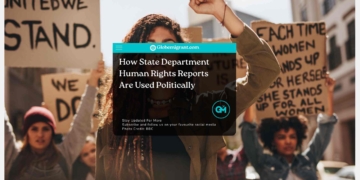




In August 2025, the U.S. Department of State released its 2024 Country Reports on Human Rights Practices, an annual, congressionally mandated publication that documents human rights conditions worldwide. These reports have far-reaching effects on U.S. foreign policy, funding decisions, asylum adjudications, humanitarian visa processing, and immigration enforcement.
Critics, however, argue that the 2024 report has been altered to reflect political priorities rather than objective human rights analysis, undermining its credibility and usefulness for immigration practitioners and asylum seekers alike.
Understanding The Role Of State Department Human Rights Reports
State Department Human Rights Reports are meant to provide a comprehensive overview of internationally recognized human rights conditions, including freedom of expression, minority rights, and protection from torture or persecution. Lawmakers, immigration judges, and attorneys often cite these reports when evaluating country conditions for asylum or other humanitarian relief pathways. They also inform diplomatic engagement, foreign assistance decisions, and sanctions deliberations by Congress and the executive branch .
Critics, including Amnesty International USA, contend that the 2024 report has omitted or downplayed entire sections on critical issues such as discrimination against LGBTQ+ individuals and other vulnerable groups, weakening the report’s ability to accurately reflect ongoing abuses and leaving affected populations with reduced evidentiary support for their claims.
Significant Changes And Political Influence
Analysts and advocacy organizations argue that the 2024 report diverges sharply from past editions by narrowing its scope and minimizing its coverage of long-standing human rights concerns. Human Rights Watch noted that the report “erases” entire categories of abuses and mischaracterizes the conditions in some countries, potentially influenced by the administration’s diplomatic priorities.
Immigration Equality specifically criticized the report’s omission of LGBTQ+ persecution data, arguing these exclusions could mislead adjudicators and harm asylum seekers who rely on thorough documentation of systemic abuses.
Implications For Immigration Attorneys
For immigration lawyers, these developments have practical implications:
- Verify Country Conditions: Do not rely solely on the State Department report. Include independent sources such as NGO reports, United Nations documentation, and local civil society evidence to support asylum and humanitarian claims (https://www.hrw.org/world-report/2021/country-chapters).
- Document Omissions: When official reports underrepresent abuses, lawyers can use these gaps as supporting evidence to argue that clients face unreported or underreported risks.
- Supplement As Evidence: Asylum and humanitarian cases may require comprehensive documentation beyond the truncated report, especially when critical categories such as discrimination or persecution are omitted.
The scaling back of human rights reporting reflects broader trends in U.S. policy and global positioning. Critics argue the narrowing focus signals deprioritization of certain rights categories (such as LGBTQ+ rights or gender-based violence) and may diminish U.S. credibility as a human rights leader. Without full and accurate documentation, adjudicators, legislators, and advocates risk making decisions based on incomplete information, potentially affecting refugee determinations, visa issuances, and foreign aid policy.
Key Takeaways
- The 2024 U.S. Country Reports on Human Rights Practices have been criticized for politicization and omissions.
- Major human rights organizations note suppression or minimization of critical rights categories.
- The reports are widely used in immigration and asylum adjudications as authoritative evidence of country conditions.
- Immigration attorneys must supplement with independent sources to ensure complete documentation.
- Changes in reporting may signal broader shifts in U.S. foreign policy priorities and human rights commitments.
Though intended as an objective tool for accountability and transparency, the recent revisions to the Human Rights Report have raised concerns among immigration practitioners, human rights advocates, and lawmakers about the politicization of what should be a fact-based instrument.
For immigration attorneys and asylum seekers who depend on detailed country-condition evidence, diversifying documentation sources, highlighting omissions, and incorporating supplemental reporting into legal strategies are essential to uphold the integrity of claims and protect vulnerable individuals from underreported risks.
Was this helpful?
Thanks for your feedback!