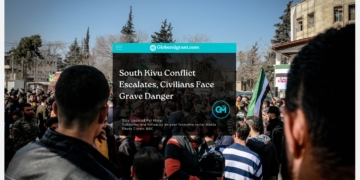




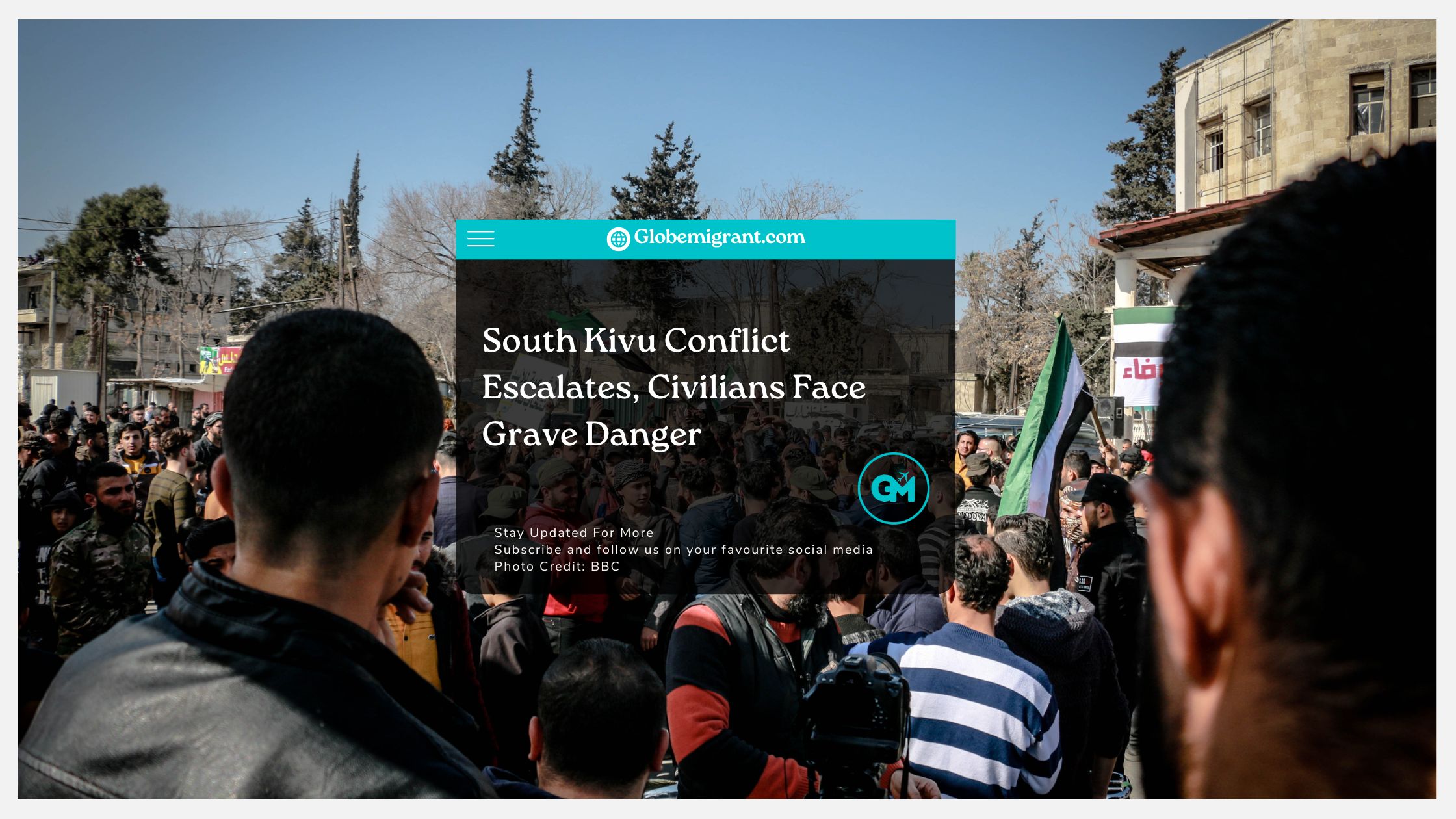
The South Kivu conflict in the Democratic Republic of Congo (DRC) has escalated sharply, placing civilians at extreme risk. Following the abrupt exit of the Rwanda-backed M23 group from Uvira on January 17, 2026, Human Rights Watch has warned that residents are now particularly vulnerable to abusive Wazalendo militias.
Escalation and Civilian Impact
M23 forces took control of Uvira on December 10, 2025, immediately imposing threats, harassment, and violence on residents. Many Banyamulenge families—Congolese Tutsi from South Kivu—abandoned the city alongside M23 troops, although countless others remain behind. The Congolese army deployed to Uvira on January 18, yet Wazalendo militias associated with the army have historically committed atrocities, raising concerns about civilian safety.
Clémentine de Montjoye, a senior Human Rights Watch researcher, emphasizes that “the mere presence of Congolese forces won’t be enough to protect civilians from the Wazalendo if they continue to assist or tolerate the abusive militias.”
Looting, Threats, and Forced Displacement
Following M23’s withdrawal, Human Rights Watch documented widespread looting of homes, stores, churches, and public buildings, particularly affecting the Banyamulenge community. Verified footage shows individuals in civilian attire targeting key sites, including the city courthouse, a Methodist church, and government offices. Civilians have been shot at and coerced to surrender personal property, while many face restrictions on fleeing toward safer areas, such as the Hauts Plateaux highlands.
M23 and Rwandan officials have cited concerns for Banyamulenge safety to justify their actions but have also threatened community members who fail to align with their directives. Leaders have reported ultimatums to leave Uvira under threat of reprisal attacks by Wazalendo groups.
Government Response and International Obligations
On January 19, the Congolese government announced a “progressive restoration of state authority” in Uvira, encompassing security, justice, and humanitarian measures. Defense Minister Guy Kabombo Muadiamvita affirmed that “the Banyamulenge should not be forcibly displaced or deported, and should feel free to return to Uvira if they wish to do so.”
Humanitarian aid and rapid intervention from the European Union, African Union, and United States are essential. The M23’s call for “international community” oversight and a neutral UN force highlights the need for strengthened MONUSCO presence, risk assessments, and vetted security deployments. Impartial investigations must ensure accountability for atrocities committed by both militias and state actors.
Lessons and Strategic Takeaways
The South Kivu situation demonstrates that withdrawal of armed groups can expose civilians to new threats if security forces are untrained or complicit. Authorities must prioritize:
-
Deployment of vetted and trained security personnel
-
Immediate humanitarian support for displaced communities
-
Neutral monitoring and verification by international observers
-
Targeted sanctions against officials responsible for violations
This conflict underscores the importance of robust civilian protection frameworks and accountability mechanisms, particularly in regions experiencing repeated militia interventions. Effective governance, international oversight, and humanitarian engagement are critical to prevent further violence and human rights abuses.
Insights to Apply Today
-
Ensure continuous monitoring of militia movements and their impact on civilians
-
Advocate for international support for displaced communities and restoration of basic services
-
Pressure local and regional authorities to uphold human rights obligations and accountability
-
Coordinate aid and protective measures with MONUSCO, the EU, and African Union missions