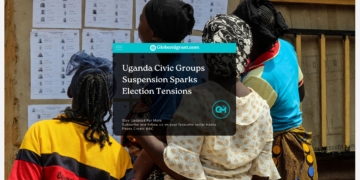



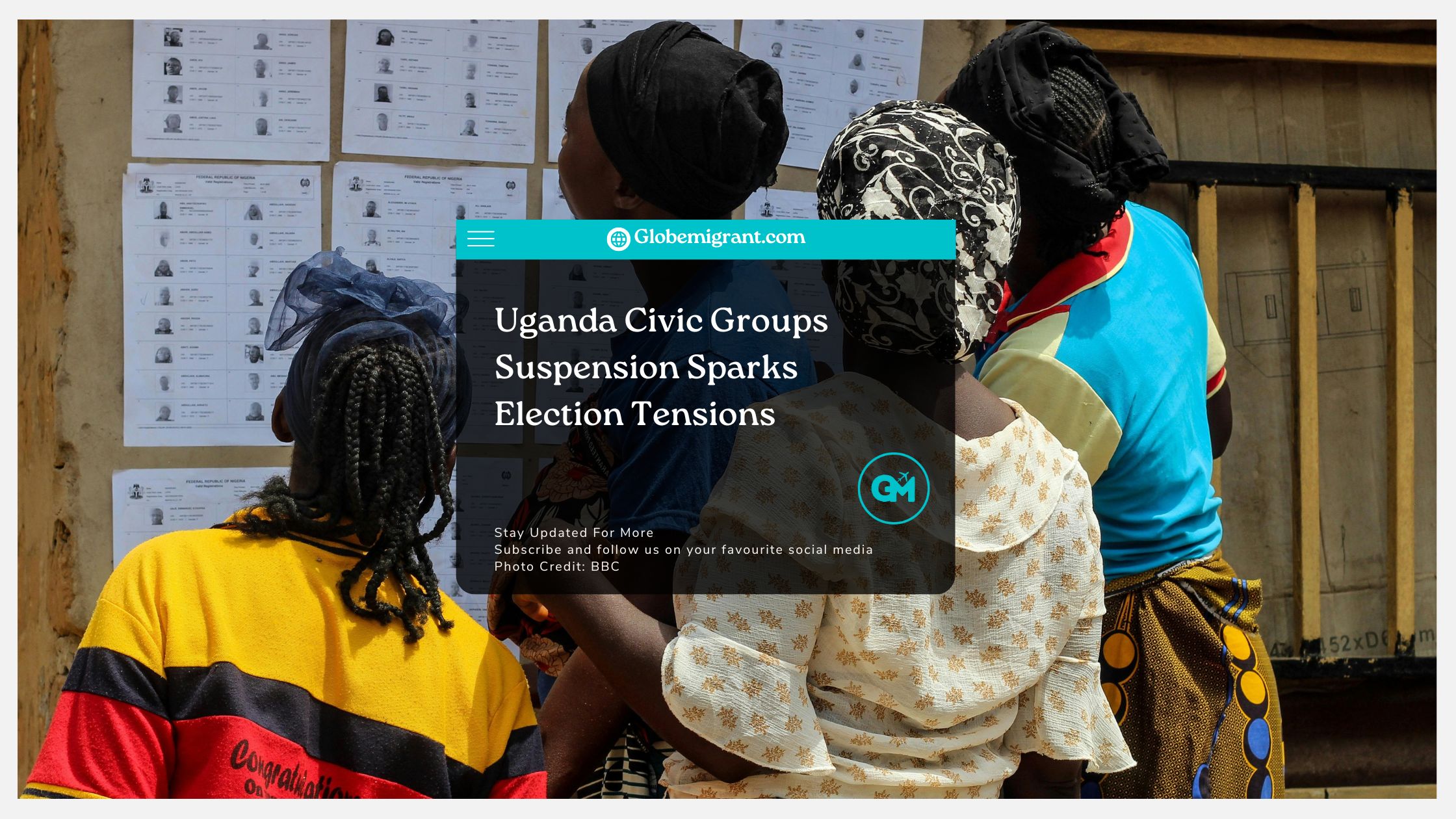
On January 12, 2026, just three days before Uganda’s national elections scheduled for January 15, authorities ordered the indefinite suspension of at least 10 civic organizations across the country. The National Bureau for Non-Governmental Organizations and targeted groups working on human rights, media freedom, and election monitoring carried out the action.
According to the bureau, intelligence reports allegedly link these organizations to activities that violate Ugandan law. Officials stated that investigations are ongoing, yet no evidence or detailed explanations have been publicly released. Lack of transparency surrounding the decision has raised serious concerns among civil society actors and international observers.
Growing Concerns Over Civic Space In Uganda
The suspension of civic groups at such a critical electoral moment signals a shrinking space for civic participation. Organizations affected play a vital role in safeguarding democratic processes by monitoring elections, documenting rights violations, and ensuring access to accurate information. Removing these safeguards so close to polling day risks undermining public trust in the electoral process.
Human Rights Watch strongly criticized the move. Ashwanee Budoo-Scholtz, the organization’s deputy Africa director, described the suspensions as arbitrary and legally unsound. According to her, shutting down organisations on vague and unsubstantiated grounds reflects a broader disregard for freedom of expression and freedom of association. Calls have been made for the Ugandan government to immediately revoke the suspensions and allow civic groups to operate freely.
Recent events fit into a wider pattern observed in previous election cycles in Uganda, in which critics of government policy, election observers, and civil society organisations face harassment, arrests, or legal restrictions. Civic groups often serve as watchdogs, providing independent oversight where state institutions fall short.
By silencing these organisations, authorities weaken mechanisms that promote accountability and peaceful political participation. Such actions may also discourage voter engagement and restrict access to independent election information, especially in rural and marginalised communities.
International Attention And Democratic Implications
International human rights organisations and multilateral institutions continue to closely monitor developments. Pressure from global actors, including the United Nations and Amnesty International, could help push for reversals of restrictive measures. The democratic credibility of Uganda’s elections will likely be assessed not only by the voting process itself but also by the environment in which they take place.
Voters, journalists, and civil society members remain central to any functioning democracy. Ensuring their ability to operate without fear or interference remains critical during election periods.
Key Takeaways
- Ugandan authorities suspended at least 10 civic groups on January 12, 2026,
- Suspensions occurred just days before the national elections on January 15.
- No evidence has been publicly provided to justify the alleged legal violations.
- Human rights organisations warn of shrinking civic and political space.
- Election credibility may be affected by restrictions on civil society activity.
Was this helpful?
Thanks for your feedback!