



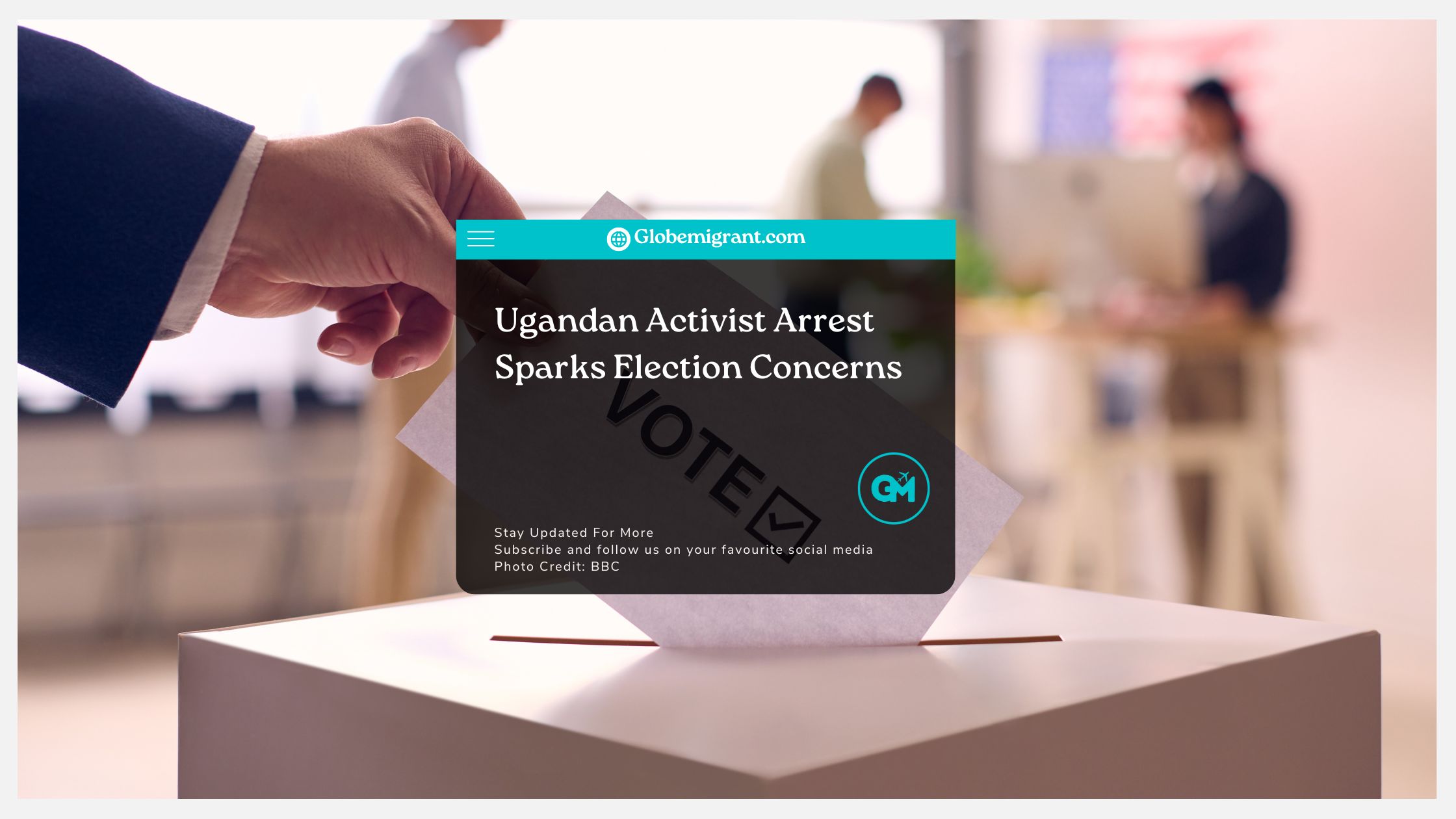
Ugandan activist arrest developments have intensified fears about the credibility of the country’s electoral process as voting approaches. Arrest and continued detention of prominent human rights advocate Sarah Bireete have sent a chilling signal to civil society groups, journalists, and opposition voices monitoring the elections.
On January 2, 2026, Sarah Bireete, executive director of the Centre for Constitutional Governance, appeared before the Chief Magistrates’ Court in Kampala after security forces raided her home on December 30, 2025, and took her into custody. Detention extended beyond Uganda’s constitutionally permitted 48-hour limit, immediately raising legal and human rights concerns.
Authorities charged Bireete with unlawfully obtaining or disclosing personal data, alleging she accessed national voter information without authorization from the Electoral Commission. Prosecutors failed to present clear evidence to support the claim. During police interrogation, questioning focused heavily on her social media commentary criticizing the government and President Yoweri Museveni, who is seeking a seventh consecutive term in office.
Bail proceedings have been delayed until January 21, effectively ensuring that Bireete remains in prison through the election period. Ugandan law requires bail applications to be handled expeditiously, particularly in nonviolent cases, making the delay especially troubling. Continued detention limits her ability to engage in election observation and public debate at a critical moment.
Leadership of the Centre for Constitutional Governance has placed Bireete at the forefront of election integrity advocacy. Public commentary has consistently highlighted irregularities in the voters’ register, transparency gaps within the Electoral Commission, and risks of manipulation during the polling process. The timing of the arrest has reinforced concerns that the charges are intended to silence scrutiny rather than enforce data protection laws.
Pattern of repression surrounding elections in Uganda further deepens alarm. In previous election cycles, critics and activists have faced arrests, surveillance, and intimidation. In December 2020, human rights lawyer Nicholas Opiyo was detained alongside colleagues on contested charges that were later dropped. Similar tactics appear to be resurfacing, targeting individuals who question state authority during sensitive political periods.
The impact of such arrests extends beyond one individual. Civil society organizations warn that intimidation undermines public confidence, discourages voter participation, and restricts open political dialogue. Fear of arrest or prolonged detention may deter activists, journalists, and ordinary citizens from raising legitimate concerns about electoral fairness.
International human rights organizations have urged Ugandan authorities to immediately release Sarah Bireete, drop all charges, and respect constitutional guarantees of free expression and political participation.
Calls have also been made for international observers and diplomatic partners to closely monitor election-related arrests and legal proceedings.
Uganda elections arrest cases like this one highlight broader risks to democratic governance. Protection of dissenting voices remains essential to credible elections, accountability, and public trust. Failure to address these violations threatens to further erode democratic space and normalize repression during electoral cycles.
Key Takeaways
- The arrest of Sarah Bireete occurred just weeks before the national elections.
- Detention exceeded legal time limits, and bail has been delayed.
- Charges lack clear evidence and appear linked to political criticism.
- The case reflects a wider pattern of election-period repression in Uganda.
- International pressure remains critical to protect civic space and electoral integrity.
Was this helpful?
Thanks for your feedback!